
Exploring how cultural differences shape casino experiences worldwide
Understanding Cultural Perspectives on Gambling
Gambling has been an integral part of human culture across the globe, but cultural perspectives on this activity vary significantly. In some societies, gambling is seen as a harmless pastime, while in others, it may carry negative connotations. For example, in Las Vegas, the casino culture is celebrated as part of the entertainment industry, where large resorts offer luxurious experiences to attract tourists. In contrast, certain Asian cultures may view gambling through the lens of superstition and tradition, affecting how games are played and perceived. Furthermore, many enthusiasts are exploring uk betting sites not on gamstop to find reliable options that enhance their experiences.
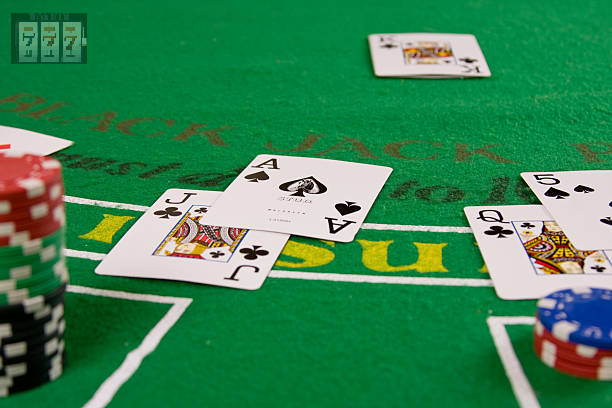
The cultural background influences not only the acceptance of gambling but also the type of games that are popular. In Western countries, slot machines and poker are favored, whereas in many Asian countries, traditional games like Pai Gow and Sic Bo dominate the scene. This variance reflects not only historical practices but also the social implications of gambling and its role in leisure and entertainment.
Moreover, the moral and ethical implications surrounding gambling are shaped by cultural beliefs. In some cultures, it is strictly regulated or even outlawed, reflecting the community’s values and priorities. Understanding these perspectives is crucial for casinos aiming to establish themselves in diverse markets, as they must navigate local sentiments and traditions effectively.
The Role of Local Traditions in Casino Environments
Local traditions significantly influence the design and atmosphere of casinos around the world. In places like Monte Carlo, casinos are often grand and opulent, reflecting the historical wealth of the region and the elegance of its gambling heritage. The architecture and decor in these establishments are designed to provide an immersive experience that aligns with the local culture’s appreciation for luxury and sophistication.
In contrast, casinos in regions with more communal and family-oriented traditions may adopt a different approach, focusing on inclusivity and social interaction. For instance, many gaming establishments in tribal areas in the United States often create spaces that encourage community gatherings, family-friendly activities, and cultural celebrations. These adaptations cater to local preferences, promoting a sense of belonging while engaging patrons in gaming activities.
The integration of local customs into casino design can be seen in various offerings, such as themed nights or cultural festivals, which celebrate the region’s heritage. This blend of traditional values with modern gaming practices not only enhances the casino experience but also fosters a deeper connection between the establishment and its patrons, making them feel more invested in the environment.
Casino Games and Cultural Significance
The types of games offered in casinos around the world can reveal much about the cultural significance of gambling in different societies. For example, in Western cultures, games like blackjack and roulette are prevalent, often associated with sophistication and strategy. These games highlight skills and knowledge, attracting players who enjoy the thrill of competition. The emphasis on individual achievement in these games mirrors the societal values that prioritize personal success and autonomy.
Conversely, many Asian cultures celebrate games that incorporate elements of luck and communal participation. Traditional games like Mahjong are not only about winning but also serve as a social activity, fostering connections among players. This communal aspect is often reflected in how the games are played, with rituals and social etiquette taking precedence, showcasing the importance of relationships and family ties in these cultures.
This cultural significance extends to the marketing and branding of casino games as well. Casinos often tailor their promotions and events to align with cultural festivities, incorporating traditional motifs and symbols that resonate with their target audience. By doing so, they create an environment that feels familiar and inviting, enhancing player engagement and satisfaction.
Social Etiquette and Gaming Behavior Across Cultures
Social etiquette surrounding gambling can vary dramatically from one culture to another, influencing how players interact within a casino setting. In many Western casinos, there is a sense of individualism, with players focused on their own strategies and outcomes. The casual atmosphere often allows for more relaxed interactions between patrons and staff, leading to an environment where players feel free to express their emotions openly.
In contrast, in places where communal values are emphasized, such as in parts of Asia, gaming behavior tends to be more restrained. Players may be more focused on the group dynamics and less on individual success. For instance, showing strong emotions such as frustration or exuberance may be frowned upon in these cultures, leading to a more subdued approach to gaming. Understanding these social norms is vital for casinos operating internationally to ensure that they create environments where all patrons feel comfortable.
The influence of social etiquette also extends to how players engage with casino staff. In cultures that prioritize respect and hierarchy, interactions may be more formal and reserved. This understanding can help casinos train their staff to respond appropriately to various cultural expectations, enhancing the overall experience for a diverse clientele.

The Future of Casinos in a Globalized World
As globalization continues to shape the way people interact with one another, the future of casinos will likely see a blend of cultural influences. The integration of technology is also paving the way for hybrid gaming experiences that draw from various traditions while appealing to the modern consumer. Online casinos, for instance, are capitalizing on this trend by offering games that reflect diverse cultural backgrounds, allowing players to engage with their heritage even when gaming from home.
Moreover, as new markets emerge, casinos will need to adapt to accommodate the growing diversity of their customer bases. This may involve introducing games that are culturally significant to new patrons while ensuring that the environment remains welcoming to all. Collaborations with local artists and cultural representatives can enhance this effort, creating a richer casino experience that resonates with a wider audience.
As the industry evolves, maintaining respect for cultural differences will be crucial. Casinos that appreciate and celebrate these variations will not only enhance their reputation but also foster customer loyalty. By positioning themselves as culturally aware and responsive establishments, they can create environments that are not only enjoyable but also respectful and inclusive.