
Cultural perspectives on gambling Understanding the social nuances and variations across societies
Understanding Gambling in Different Cultures
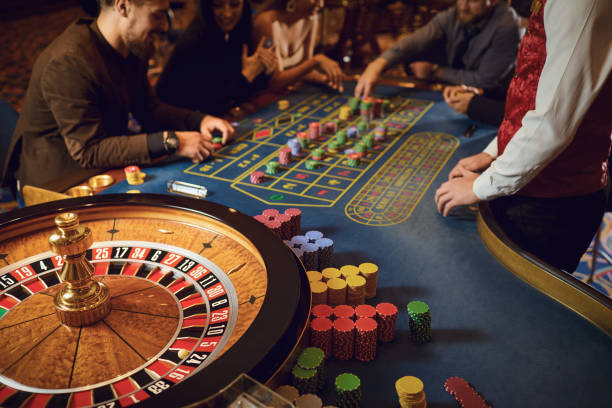
Gambling is a complex activity that transcends mere chance, deeply embedded in various cultures around the world. In societies like the United States, gambling is often associated with entertainment, where casinos serve as vibrant social hubs. This perspective emphasizes the thrill and enjoyment associated with betting on games like poker and blackjack, reflecting a cultural acceptance of risk-taking as a form of recreation. You can explore more resources on this topic at https://sadgirlreview.com/, which delves into the nuances of gambling culture. In contrast, cultures such as those in certain Asian countries may view gambling more cautiously, often linking it to moral and social concerns.
The perception of gambling can also shift based on historical and social contexts. For example, in many Indigenous cultures, gambling has traditionally been a communal activity that fosters social bonding and cultural expression. Events such as pow-wows often include games of chance, which serve to strengthen community ties. Here, gambling is not merely about winning money; it represents a celebration of cultural identity and heritage.
Additionally, gambling laws and societal attitudes vary widely, impacting how individuals engage with these activities. In Scandinavian countries, for instance, gambling is heavily regulated, reflecting societal values that prioritize responsible gambling practices. This regulatory framework shapes how communities interact with gambling, influencing both participation rates and the overall cultural narrative surrounding it. Understanding these nuances allows for a broader appreciation of gambling as a social phenomenon rather than just a transactional activity.
The Role of Gender in Gambling Culture
Gender significantly influences gambling behavior and perceptions across cultures. In many societies, traditional gender roles dictate who is deemed appropriate to gamble and how they participate. For instance, studies indicate that men often dominate the gambling landscape, particularly in high-stakes environments like poker tournaments. This male-centric view can perpetuate stereotypes, framing gambling as a masculine pursuit, while women who gamble may face stigma or discrimination.
Conversely, some cultures embrace female participation in gambling as a form of empowerment. In places like the Philippines, women are not only participants but can also be influential players in the gambling industry. The increasing visibility of women in gambling spaces challenges traditional norms, leading to more inclusive environments. As women continue to break barriers, they contribute to the evolution of gambling culture, altering perceptions and encouraging greater acceptance.
Moreover, how genders are portrayed in gambling narratives—whether in advertising, media, or popular culture—reflects broader societal attitudes. Often, male gamblers are depicted as adventurous and risk-taking, while female gamblers may be portrayed as cautious or less serious. These representations shape public perceptions and influence how individuals of all genders choose to engage with gambling, highlighting the need for a more balanced and nuanced portrayal.
Gambling as a Social Activity
The social aspects of gambling cannot be overstated, as it often serves as a communal activity that fosters relationships and social networks. Many cultures celebrate gambling as a social pastime, where the act of playing together strengthens bonds among friends and family. For instance, in Mexico, games like Lotería are commonly played at gatherings, allowing participants to engage in friendly competition while enjoying each other’s company. This social dimension emphasizes the fun and camaraderie that gambling can offer.
In contrast, the solitary nature of online gambling has transformed the landscape of social interaction in this domain. While some may argue that online platforms diminish the communal aspects of gambling, others find that virtual communities can replicate social connections. Online forums and gaming platforms allow individuals to engage with fellow gamblers, share strategies, and celebrate wins together, fostering a sense of belonging even in a digital environment.
The implications of gambling as a social activity also extend to discussions about responsible gambling. Communities that support responsible play often create environments where individuals can enjoy gambling without adverse effects. Social gatherings centered around gambling can promote awareness about potential risks, helping to cultivate a culture of accountability and care. This balance between enjoyment and responsibility is crucial in shaping how gambling is perceived and engaged with across different societies.
Cultural Attitudes Towards Gambling and Regulation
Cultural attitudes towards gambling are often reflected in the regulatory frameworks that govern these activities. Countries like Australia have adopted a more liberal approach, allowing for various forms of gambling and viewing it as an acceptable form of entertainment. The presence of numerous casinos and betting shops illustrates the cultural normalization of gambling as a leisure activity. This contrasts sharply with nations where gambling remains illegal or heavily restricted, often due to cultural or religious beliefs that view it as morally wrong.
For example, in many Islamic countries, gambling is strictly prohibited, rooted in religious doctrines that emphasize the avoidance of chance-based activities. This leads to a unique cultural landscape where underground gambling may exist, often operating outside legal boundaries. The prohibition reflects deep-seated values and beliefs, and the consequences of engaging in such activities can be severe, further reinforcing the cultural stigma surrounding gambling.
The impact of regulation extends to public health and community welfare, shaping how societies approach issues related to gambling addiction and responsible gaming. Countries with more progressive regulations often invest in public education campaigns aimed at promoting awareness about the potential risks of gambling. By fostering open discussions about gambling behaviors, these societies aim to mitigate negative impacts while still embracing the social and economic benefits that gambling can provide.
Exploring Our Resource Hub
At our platform, we strive to create a comprehensive resource hub dedicated to understanding cultural perspectives on gambling. We provide valuable insights and expert commentary on the social nuances and variations across different societies. Our mission is to empower individuals with knowledge, helping them navigate the complexities of gambling in a culturally informed manner.
Our content is carefully curated to explore the various aspects of gambling, from societal attitudes and gender dynamics to the social implications of gaming. By connecting like-minded individuals, we foster a community that values responsible gambling and informed discussions about this multifaceted topic. Join us in exploring these themes, as we aim to broaden perspectives and enhance understanding of gambling across cultures.