
Navigating the path to gambling addiction recovery strategies for success
Understanding Gambling Addiction
Gambling addiction, also known as compulsive gambling or gambling disorder, is a condition characterized by the uncontrollable urge to gamble despite the negative consequences that may arise. This addiction can affect individuals from all walks of life, leading to financial ruin, strained relationships, and emotional distress. Understanding the complexities of gambling addiction is the first step toward recovery. Many players enjoy recreational gaming, and for those interested in trying something new, you might explore the Ice Fishing Live gambling game, which presents a unique experience.
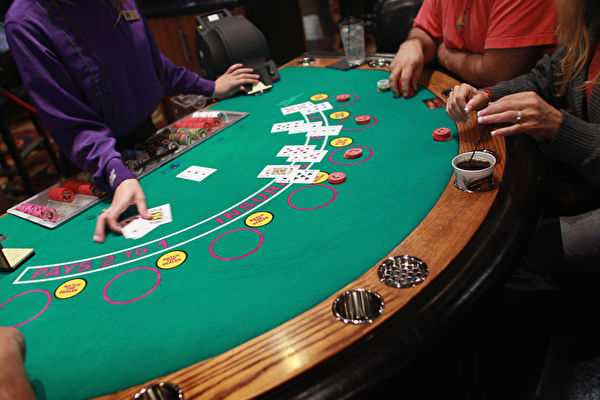
The psychological and emotional components of this addiction are often rooted in the thrill of risk-taking and the desire for a quick escape from reality. For many, the allure of gambling can be intoxicating, making it difficult to recognize when enjoyment transitions into an unhealthy habit. Acknowledging this issue is vital for anyone seeking help.
Recognizing the Signs of Addiction
Recognizing the signs of gambling addiction is crucial for timely intervention. Common indicators include increasing preoccupation with gambling, unsuccessful attempts to cut back, and using gambling as a means to cope with stress or other issues. Individuals may also lie about their gambling activities, experience withdrawal symptoms, or chase losses in a desperate attempt to regain control.
Awareness is essential, not just for individuals struggling with gambling, but also for family and friends. Support networks can often see changes that the individual may overlook. Building a foundation of support can significantly enhance the recovery process, making it more manageable and less isolating.
Effective Recovery Strategies
Embarking on the journey to recovery requires a multifaceted approach tailored to the individual’s unique needs. One effective strategy is cognitive-behavioral therapy (CBT), which helps individuals recognize and change negative thought patterns associated with gambling. This therapeutic approach enables individuals to develop healthier coping mechanisms and improve decision-making skills.
Support groups, such as Gamblers Anonymous, can also play a crucial role in recovery. These groups provide a safe space for individuals to share their experiences and learn from others facing similar struggles. Connecting with others fosters a sense of community and accountability, which can be pivotal in maintaining long-term recovery.
The Role of Professional Help
Seeking professional help is often a necessary step for those deeply entrenched in gambling addiction. Mental health professionals can offer tailored treatment plans that address both the addiction and any underlying psychological issues, such as anxiety or depression. These professionals bring expertise and a level of understanding that can be invaluable in the recovery process.
Moreover, professionals can assist in developing personalized coping strategies that help individuals manage triggers and cravings. This proactive approach not only aids in recovery but also equips individuals with tools to maintain a healthy lifestyle moving forward.

Resources and Support Available
Various resources are available for those seeking help with gambling addiction. Online platforms provide valuable information, support groups, and access to therapy options. Websites dedicated to gambling addiction often include helplines, forums, and educational materials to guide individuals and their loved ones through the recovery process.
Additionally, local community resources can offer in-person support and guidance. These resources are essential for anyone looking to navigate the complexities of recovery, ensuring individuals do not have to face their struggles alone. Empowering oneself with knowledge and community support is a fundamental part of the healing journey.